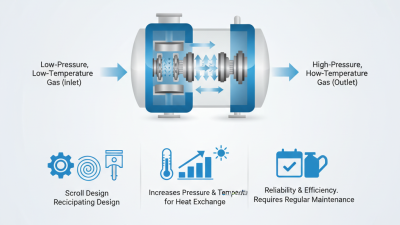
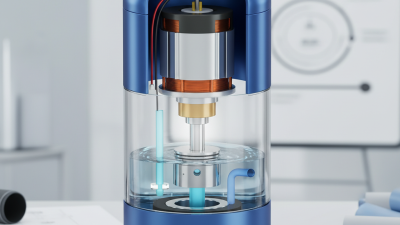
2026 Top AC Rotary Compressor Innovations and Trends for Your HVAC Needs?
As we approach 2026, the HVAC industry is witnessing significant advancements in AC rotary compressor technology. Recent reports from the International Journal of Refrigeration suggest that the global market for these compressors is expected to reach $7 billion by 2026. This growth is driven by a heightened demand for energy-efficient solutions amid rising environmental concerns.
Industry expert Dr. Lisa Tran has noted, “Innovation in AC rotary compressors is pivotal for achieving long-term energy savings.” Her insights reflect the commitment of manufacturers to enhance the efficiency and reliability of these essential components. Features such as variable speed drives and eco-friendly refrigerants are becoming standard. However, some challenges persist, such as adapting to new environmental regulations without compromising performance.
Resilience in design and adaptability will shape future developments. The integration of smart technology is a promising trend, yet it may also lead to complexities in installation and maintenance. Balancing innovation with user-friendliness is crucial. The evolution of AC rotary compressors may redefine HVAC systems, but industry players must remain vigilant about practical realities.
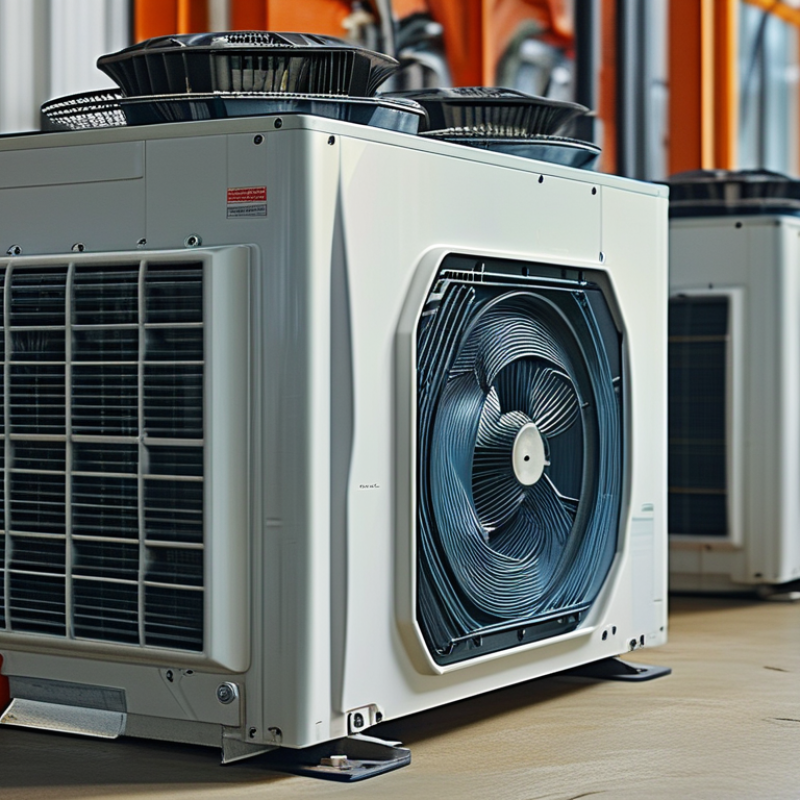
Emerging Technologies in AC Rotary Compressors for 2026
In 2026, AC rotary compressors are evolving with several groundbreaking technologies. These innovations aim to enhance efficiency, reliability, and sustainability in HVAC systems. According to a recent report by the International Energy Agency, units utilizing variable speed technology can improve energy efficiency by up to 40%. This shift not only lowers utility bills but also reduces environmental impact.
Another emerging trend is the use of advanced materials. High-performance composites help in weight reduction and durability, allowing compressors to operate efficiently under stress. Moreover, these materials can lead to reductions in vibration and noise levels. The combination of these elements creates a more pleasant environment for users.
Tip: When selecting a compressor, consider the long-term benefits of energy-efficient models. An upfront investment can significantly reduce operational costs. Always check compatibility with your existing HVAC system to ensure seamless integration.
Furthermore, smart technologies are gaining traction. IoT integration allows for real-time monitoring and predictive maintenance. This can prevent unexpected breakdowns and extend equipment life. Many reports suggest that smart features can lead to a 20% reduction in maintenance costs. However, the dependency on technology can pose challenges, such as cybersecurity risks, which must be addressed.
Tip: Invest in training your maintenance team on smart technologies. A knowledgeable team can maximize the benefits of these innovations. Balancing technology with traditional expertise is essential for optimal performance.
Efficiency Improvements in Rotary Compressors for HVAC Systems
The demand for efficiency in HVAC systems is driving innovations in rotary compressors. Recent studies show that modern rotary compressors can achieve a 30% increase in energy efficiency compared to older models. This improvement is crucial as HVAC systems account for nearly 40% of energy consumption in commercial buildings. The trend towards eco-friendly refrigerants also plays a significant role in enhancing overall system performance.
Furthermore, manufacturers are focusing on advanced technologies such as variable speed drives and inverter technology. These innovations allow for better control of compressor operation, leading to enhanced responsiveness to changing loads. A report by the American Society of Heating, Refrigerating, and Air-Conditioning Engineers (ASHRAE) indicates that integrating smart controls can reduce energy usage by an additional 15%.
However, challenges remain. Not all HVAC systems can easily integrate these new components. Installation costs can be high, and some technicians may lack the necessary training to implement these technologies effectively. Constant evaluation of the latest innovations is essential, as the landscape is continually evolving. Embracing these developments while considering installation and maintenance challenges can lead to significant benefits in HVAC efficiency.
2026 AC Rotary Compressor Efficiency Improvements
Integration of Smart Technology in AC Compressor Designs
The integration of smart technology in AC compressor designs is transforming the HVAC industry. These advancements improve efficiency and enhance user experience. Modern compressors now feature smart sensors that monitor performance in real-time. This ensures optimal operation by adjusting settings based on environmental conditions.
One significant trend is the use of AI algorithms to predict maintenance needs. This proactive approach reduces unexpected breakdowns, ultimately saving time and costs. With remote access, users can control their systems from anywhere. Imagine adjusting your home’s cooling settings while at work. This convenience adds comfort to daily life.
Tip: Regularly check for software updates on your system. These updates can enhance performance and security.
However, as technology evolves, some users may feel overwhelmed. Understanding new features can take time. User-friendly interfaces are essential for bridging this gap. A focus on usability will ensure that everyone can benefit from these innovations regardless of tech-savviness.
Tip: Consider reading user manuals or watching online tutorials. Familiarizing yourself with your unit's capabilities can improve efficiency significantly.
2026 Top AC Rotary Compressor Innovations and Trends for Your HVAC Needs
| Feature |
Description |
Benefits |
Trend Level |
| Smart Connectivity |
Integration of IoT for remote monitoring and control |
Enhanced energy efficiency and user convenience |
High |
| Variable Speed Technology |
Compressors that adjust speed based on cooling demand |
Improved comfort and reduced energy consumption |
High |
| Sustainable Refrigerants |
Use of environmentally friendly refrigerants |
Lower global warming potential |
Medium |
| Noise Reduction Technology |
Innovative design to minimize operational noise |
Improved user comfort and satisfaction |
Medium |
| Predictive Maintenance |
AI-driven diagnostics for proactive maintenance |
Reduced downtime and extended equipment lifespan |
High |
Sustainability Trends Influencing Compressor Manufacturing
Sustainability is becoming crucial in compressor manufacturing. As industries shift focus, HVAC systems must adapt. The aim is to reduce environmental impact while maintaining efficiency. Innovations now include eco-friendly materials and energy-efficient designs.
One trend involves the use of natural refrigerants. These alternatives have low global warming potential. They align with international climate agreements and local regulations. Manufacturers are also exploring modular designs. These can enhance performance and reduce material waste.
Tips: When choosing equipment, consider its lifecycle. Not all products are equally efficient over time. Look for energy ratings and sustainability certifications. Ensure proper maintenance for maximum efficiency. Often, oversights can lead to increased energy use. Value sustainable practices not just for performance, but for the planet.
Market Demand and Consumer Preferences Shaping Innovations
The HVAC industry is witnessing significant shifts, thanks to evolving market demand and changing consumer preferences. A recent report by the American Society of Heating, Refrigerating and Air-Conditioning Engineers (ASHRAE) highlights that energy efficiency is a top priority for 78% of consumers when choosing air conditioning systems. This demand is driving innovations in AC rotary compressors. Manufacturers are compelled to adopt advanced technologies that not only meet energy requirements but also enhance performance.
Noise reduction is another critical factor. According to a study by the International Journal of Refrigeration, 67% of consumers prioritize quiet operation in their HVAC systems. As such, innovations are focusing on designing quieter compressors. Features like variable speed technology are gaining traction. This technology allows compressors to adjust their speed to maintain desired temperatures while minimizing noise.
Additionally, sustainability plays a crucial role in innovations. A survey conducted by the HVACR Workforce Development Foundation found that 73% of consumers are willing to pay more for eco-friendly products. This green approach encourages manufacturers to explore natural refrigerants and optimize energy usage. However, some challenges remain, such as the high costs of these new technologies. Brands must constantly assess the balance between consumer expectations and financial viability.