How to Choose the Best Hitachi Compressor for Your Needs?
Selecting the right Hitachi Compressor for your needs can be a daunting process. With various models available, understanding their features is crucial. Hitachi Compressors are known for their reliability and performance. They are widely used in different applications ranging from industrial to residential.
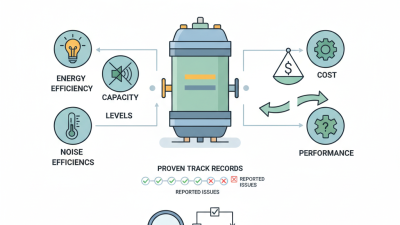
One must consider specific requirements before making a decision. Factors like size, energy efficiency, and noise level play a significant role. It can be overwhelming to navigate through the options. However, researching these elements will lead to a better choice. Many users emphasize the importance of matching the compressor to their precise needs.
Reflecting on personal experiences can also aid in this selection. Some have regretted hasty decisions, while others have found satisfaction in a well-informed choice. The goal is to find a Hitachi Compressor that perfectly aligns with your demands. Take time to analyze your situation critically. Remember, the right choice can enhance your productivity and comfort.
Understanding Hitachi Compressors: Types and Functions
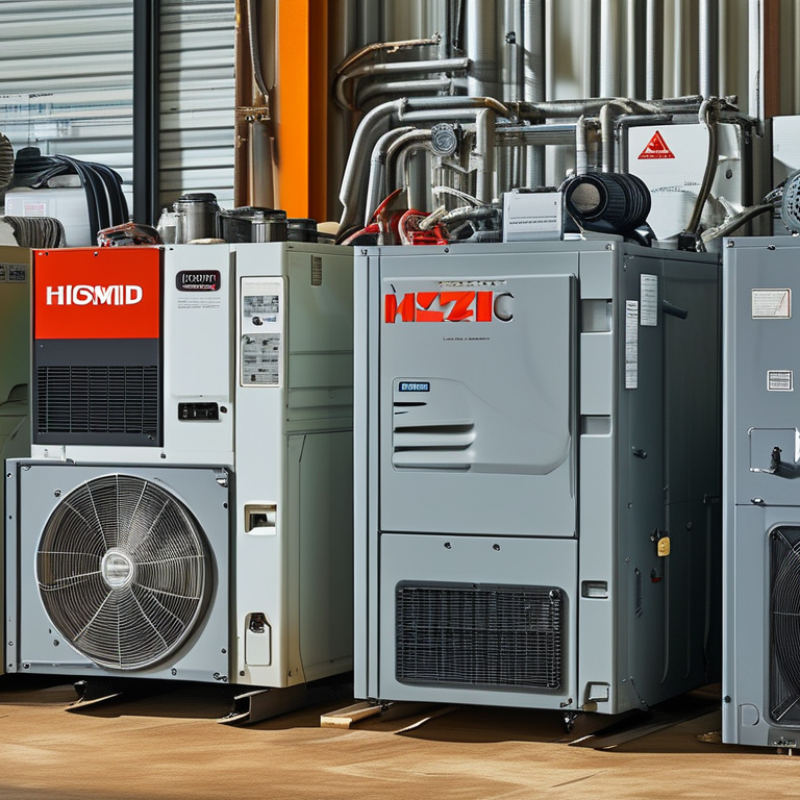
Hitachi compressors offer various types, each designed for specific functions. The most common types include rotary screw, reciprocating, and scroll compressors. Rotary screw compressors are ideal for continuous operation and large air demands. They tend to be efficient and reliable. Reciprocating compressors are versatile, available in single or multi-stage designs, making them suitable for smaller applications. Scroll compressors provide a quieter operation, making them great for indoor environments.
Understanding each type helps you choose the right one. Consider the application, required pressure, and energy efficiency. If you need a compressor for heavy industrial use, a rotary screw might be best. However, for light commercial work, a scroll compressor could suffice. Each option comes with advantages and drawbacks.
It’s vital to assess the intended usage carefully. This ensures you don’t overspend on an oversized unit or compromise efficiency with a too-small model. Customizing the choice to your specific needs can save time and resources. Research and compare different options to make an informed decision.
Factors to Consider When Choosing a Hitachi Compressor
When selecting a Hitachi compressor, several factors should influence your decision. Start with the compressor type. There are two main categories: rotary and reciprocating. Rotary compressors tend to be quieter and more efficient. Conversely, reciprocating models are often cheaper and easier to maintain. Assess which type fits your needs best.
Consider the application. A heavy-duty industrial use will require different specifications compared to home or light commercial use. Pay attention to the horsepower rating and the airflow capacity. Both factors determine how effectively the compressor can perform your tasks. Ensure the specifications align with your projected usage.
Tips: Always check the warranty and service support options. A good warranty reflects the manufacturer’s confidence in their product. Look for available customer support when issues arise. Remember to evaluate the noise levels. High noise can be an issue in residential areas. Opt for quieter models if that’s a concern. Balancing these considerations will lead to a wiser investment.
How to Choose the Best Compressor for Your Needs? - Factors to Consider When Choosing a Compressor
| Factor |
Description |
Importance Level |
| Purpose of Use |
Identify if the compressor will be used for industrial, commercial, or home applications. |
High |
| Power Source |
Consider whether a gas, electric, or hybrid model is more suitable for your needs. |
Medium |
| Tank Size |
Choose a tank size based on the volume of air needed for the applications. |
High |
| Portability |
Assess if you need a portable compressor for job sites or a stationary model for fixed use. |
Medium |
| Noise Level |
Consider the noise levels if the compressor will be used in noise-sensitive environments. |
Medium |
| Maintenance Requirements |
Evaluate how much maintenance is needed for different compressor types. |
High |
| Budget |
Determine how much you are willing to spend on the compressor. |
High |
Evaluating Performance Specifications of Hitachi Compressors
When selecting a compressor, performance specifications are key. The efficiency of a unit is often measured in CFM (cubic feet per minute). Higher CFM ratings mean faster air delivery. This can be crucial for tasks like spray painting or running pneumatic tools. Misjudging your needs can slow down projects or create frustration.
Next, consider the horsepower (HP) rating. This number indicates the compressor's power. A unit with higher horsepower can handle heavier workloads and maintain pressure better under stress. However, higher HP often comes with increased energy consumption. Balancing power and efficiency is essential.
Noise level also deserves attention. Some compressors operate quietly, while others produce significant noise. If you're working in a residential area, a quieter model may be necessary. It's essential to think about your environment and how sound can impact your work. Understanding these specifications can guide you to make an informed choice.
Assessing Noise Levels and Energy Efficiency
When selecting a compressor, noise levels and energy efficiency are crucial.
Noise can impact your work environment and health. Many high-performance compressors produce sound levels between 70 to 90 decibels.
This range is significant because prolonged exposure to sounds over 85 decibels can lead to hearing issues.
Research shows that quieter models can operate at around 60 decibels, making them suitable for residential or professional spaces where noise must be minimized.
Energy efficiency is just as important. Compressors are often rated by their energy consumption.
A study from the Department of Energy indicates that energy-efficient models can cut energy costs by up to 30%.
This efficiency translates into lower operating costs and reduced environmental impact.
Features like variable speed drives can help optimize energy use based on demand. However, it’s vital to assess your specific needs and workload to avoid oversizing a compressor, which can waste energy and lead to unnecessary expenses.
Understanding the balance between noise and energy use is vital. Choosing the quietest model doesn’t always mean the most energy-efficient one, and vice versa.
Researching various options and reading user reviews can shed light on real-world performance. Each project may require different specifications.
Therefore, it’s essential to weigh these factors when making your decision.
Application Suitability: Matching Compressors to Your Needs
Choosing the right compressor for specific applications is crucial. A compressor's efficiency can vary significantly based on its intended use. For industrial environments, high-capacity compressors are often preferred. They deliver consistent performance in demanding conditions.
Conversely, smaller compressors may suit light-duty tasks like automotive repairs or home use. It's essential to assess your operational needs. Consider the power requirements and air volume needed for your applications. Not all compressors can handle heavy workloads effectively.
Remember to evaluate noise levels, especially in residential settings. Some compressors operate quietly, while others can be quite loud. Also, think about maintenance needs. Regular upkeep is vital to ensure long-lasting performance. Choosing the wrong compressor can lead to inefficiencies. A mismatch can result in costly repairs or frequent breakdowns. Assess your specific needs and strive for a model that fits best.