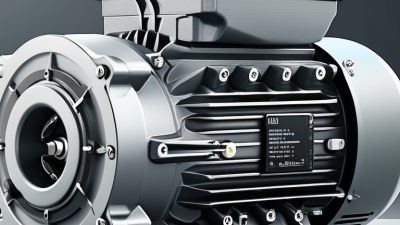
Top York Compressor Suppliers for Global Buyers?
Choosing reliable York Compressor suppliers requires more than comparing catalogue prices. Global buyers must examine compressor efficiency, refrigerant compatibility, service coverage, warranty terms, and replacement-part availability. A polished website proves little. Factory audits, technical certificates, and real export references matter more.
The International Energy Agency reports that cooling demand could become one of the largest drivers of global electricity use by 2050. The UNEP Cooling Emissions and Policy Synthesis Report also highlights rapid growth in cooling needs across emerging markets. These findings make efficient York Compressor sourcing increasingly important for factories, warehouses, hospitals, and commercial buildings. As IEA Executive Director Dr. Fatih Birol stated, “The world is facing a cold reality: as incomes and living standards rise, so does the need for air conditioning.” His warning applies directly to compressor selection and long-term energy planning.
However, supplier rankings are never absolute. A low-cost unit may become expensive after freight delays, unclear voltage specifications, or limited local support. Buyers should request performance curves, noise data, oil requirements, lead times, and installation guidance before signing contracts. They should also confirm whether the supplier is an authorized York channel partner or an experienced independent distributor. Some claims remain difficult to verify. That is why this guide compares supplier experience, technical depth, response speed, and after-sales reliability. The strongest partner is not always the largest one. It is the supplier that can keep the compressor running when conditions become difficult.
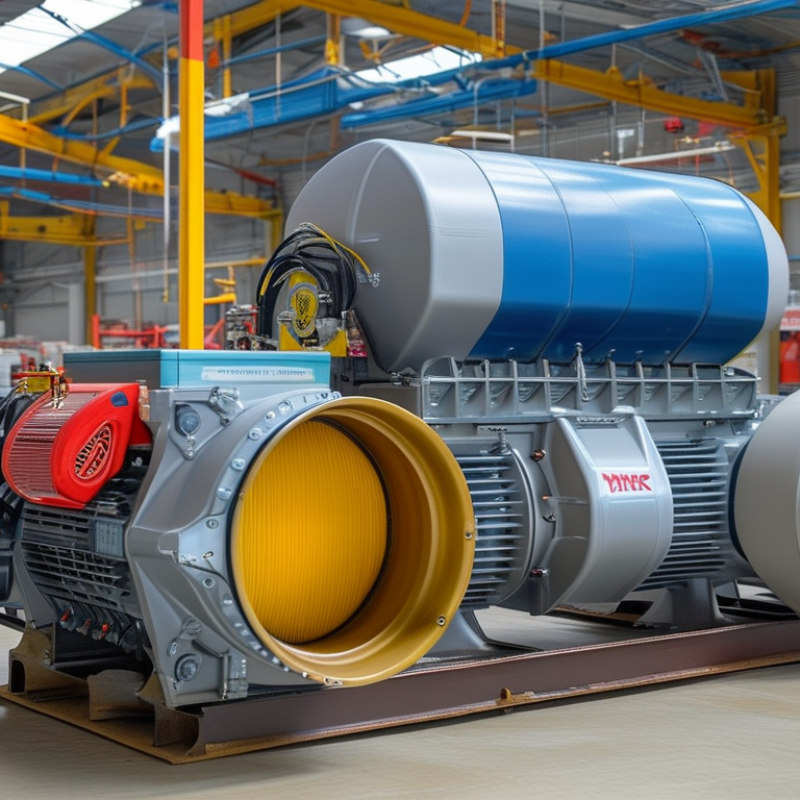
York Compressors: Types, Applications, and Global Market Role
Top Compressor Suppliers for Global Buyers
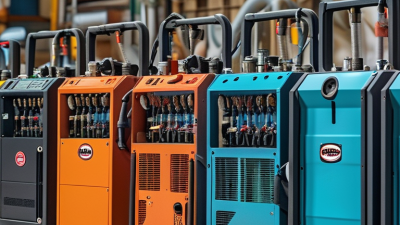
Compressor systems support cooling, refrigeration, and process temperature control across international industries. Their market role is practical, not merely commercial.
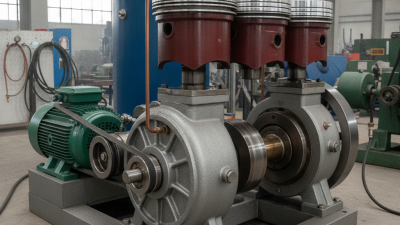
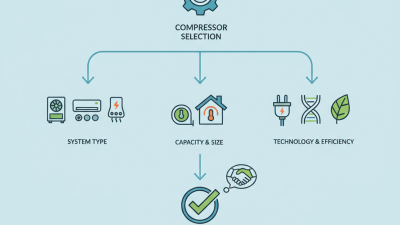
Reciprocating compressors suit smaller loads and changing operating conditions. Screw compressors provide steady output for warehouses and manufacturing lines. Scroll models offer quiet operation in offices, clinics, and retail spaces. Centrifugal compressors handle large chilled-water systems, especially in airports and industrial campuses. Selection depends on refrigerant compatibility, cooling capacity, pressure range, ambient temperature, and service access. A coastal facility may need stronger corrosion protection. A remote cold store may value simple maintenance more than peak efficiency.
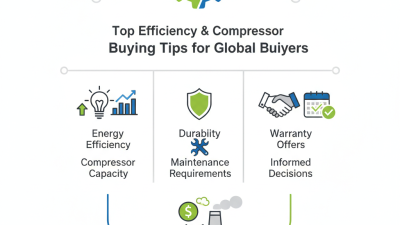
Tips: Ask suppliers for tested performance data, service response times, spare-parts availability, and installation references. Check performance at your real operating temperature, not only laboratory conditions. Review noise, vibration, energy use, and control-system compatibility. Field inspections often reveal details that brochures miss. No selection is flawless. Budget pressure can also distort technical judgment. A lower purchase price may create higher energy and maintenance costs later. Reliable suppliers explain these trade-offs clearly and provide traceable documentation. Global buyers should also confirm packaging quality, delivery planning, training support, and local technical capacity. Clear communication matters when equipment crosses languages, climates, and infrastructure conditions.
How to Identify Reliable York Compressor Suppliers Worldwide
Reliable compressor sourcing starts with evidence, not polished websites. Ask each supplier for a registered business address, technical contact, and verifiable trading history. A serious supplier should explain capacity, refrigerant compatibility, operating limits, and installation requirements in clear language. Vague answers deserve caution.
Request product photographs, nameplate details, factory test records, and serial-number traceability before payment. Compare these documents with the offered model, voltage, motor configuration, and delivery condition. Experienced suppliers can discuss vibration readings, oil management, leak testing, and common failure points. They should also provide packing specifications for overseas transport. Crushed corners and moisture damage are not minor issues.
Check whether the supplier uses documented quality procedures and independent inspection when appropriate. References from buyers in similar climates can reveal more than online ratings. Confirm warranty terms, spare-part availability, response times, and the process for handling nonconforming equipment. Keep every promise in writing. It protects both sides.
A low price can hide refurbishment, missing components, or weak after-sales support. I have seen evaluation teams focus too heavily on unit cost and overlook commissioning assistance. That mistake becomes expensive later. No checklist is perfect. Recheck critical data with an engineer, especially when replacing an older compressor in an unfamiliar system. Reliable communication matters too. If replies are delayed before the order, support may be slower afterward.
Top York Compressor Suppliers for Global Buyers
How to identify reliable compressor suppliers worldwide: use a structured evaluation that prioritizes technical compatibility, documentation, service capability, export readiness, spare-parts support, and transparent lead times.
The chart shows an illustrative 100-point buyer evaluation model, not a ranking of companies or brands. Buyers should verify certifications, product specifications, warranty terms, references, export documents, and after-sales support before placing an order.
Comparing Supplier Product Range, Quality, and Certifications
Choosing a compressor supplier requires more than comparing catalog pages. A useful review checks capacity, refrigerant compatibility, voltage options, controls, spare parts, and service coverage. Suppliers offering scroll, reciprocating, and screw models can support more applications. However, a wider range does not automatically mean better engineering. Field checks often reveal gaps in oil compatibility or replacement-part availability.
Quality should be supported by measurable evidence. Ask for factory performance tests, leak-test records, vibration limits, serial-number traceability, and published operating maps. The U.S. Department of Energy reports that compressed-air systems can consume 10–20% of industrial electricity. Small efficiency differences can therefore become significant operating costs. IEA’s The Future of Cooling also projects cooling energy demand could more than triple by 2050. Efficiency claims need test conditions, not attractive percentages.
Documentation matters. The ISO Survey 2022 recorded 1,265,216 ISO 9001 certificates worldwide, but certification alone cannot prove compressor reliability. Check whether the certificate covers design, manufacturing, and after-sales processes. ISO 14001 can indicate structured environmental management, while CE, UL, or pressure-equipment compliance may support market access, depending on destination. Ask for current certificates and matching product scopes. Numbers can mislead. A supplier may provide excellent laboratory data but weak field support. Request two recent reference installations, warranty response times, and a sample inspection report before approving a purchase.
Evaluating Pricing, Shipping, Warranty, and Technical Support
Global buyers should compare compressor suppliers beyond the purchase price. A low quote may exclude export packing, insurance, customs handling, or commissioning support. The World Bank’s Logistics Performance Index 2023 shows major differences between countries in customs efficiency, shipment tracking, and delivery reliability. Ask suppliers for a complete landed-cost estimate. It should include the compressor, freight, duties, documentation, and expected delivery date.
Technical support is equally important. The International Energy Agency reports that space-cooling energy demand could more than triple by 2050 without efficiency improvements. This raises the value of correct sizing, refrigerant compatibility, oil selection, and control settings. Request performance curves, installation instructions, and a named engineer for troubleshooting. Good support should explain symptoms clearly, not simply sell replacement parts. That distinction matters.
Warranty terms need careful reading. Confirm coverage length, labor exclusions, return procedures, and responsibilities for transport damage. Some suppliers offer a long warranty but require installation by approved technicians, which may be difficult in remote markets. In my experience, response time often matters more than impressive wording. A twenty-four-hour reply is useful, but a technically accurate reply is better. Buyers should also request serial-number tracking and evidence of factory testing. I would still verify every claim independently; supplier websites can simplify difficult conditions. Reference data: World Bank, Logistics Performance Index 2023; International Energy Agency, The Future of Cooling.
Key Factors for Choosing the Best York Compressor Supplier
Choosing the Best Compressor Supplier for Global Buyers
Selecting a compressor supplier requires more than comparing online prices. Experienced buyers examine technical data, service history, and delivery performance. Ask for compressor capacity, operating pressure, power requirements, and refrigerant compatibility. These details should match your site conditions, not a generic catalog page.
Reliable suppliers provide clear factory test reports, warranty terms, and inspection records. They should explain how each unit was tested before shipment. Request customer references from similar industries or climates. A supplier serving humid coastal facilities may understand corrosion risks better than a distant reseller. Check spare parts availability, too. A low purchase price becomes expensive when one seal takes six weeks to arrive.
Technical support also matters after installation. Look for engineers who can review piping layouts, startup readings, and maintenance intervals. Communication should remain clear across time zones. Written responses are useful when specifications change. Price still tempts buyers. It should not decide everything. Some suppliers sound confident but provide vague answers. That is a warning sign. I would also question suppliers promising unusually short delivery times without stock evidence. Mistakes happen, even with experienced teams. A dependable supplier admits limitations, documents corrective actions, and keeps the buyer informed. Ensure payment terms, export documents, packaging standards, and local compliance requirements are confirmed before production begins.