7 Tips for Choosing an AC Cooled Compressor?

Choosing an Ac Cooled Compressor is not simply a matter of comparing horsepower and purchase prices. The right unit must match your air demand, operating environment, duty cycle, and maintenance capacity. A compressor running beside a dusty workshop door faces different challenges from one installed in a clean indoor facility. Small details matter.

This guide presents seven practical tips for making a better-informed choice. It considers airflow requirements, pressure stability, cooling performance, energy use, noise, service access, and manufacturer support. These factors can affect production reliability and long-term operating costs. In my experience, buyers often focus on the nameplate rating and overlook heat buildup around the machine. That choice can hurt. An Ac Cooled Compressor may perform well in testing but struggle when ventilation is restricted or ambient temperatures rise. Check the technical data carefully, and compare it with real working conditions rather than ideal laboratory figures. Reliable manufacturers should provide clear specifications, service guidance, warranty terms, and documented performance information. Still, no recommendation is perfect for every facility. Your actual usage pattern may reveal needs that a standard checklist misses. A short review of current equipment, air leaks, peak demand, and maintenance records can prevent an expensive mistake. Good selection is not about buying the largest compressor. It is about choosing dependable capacity with room for practical variation.
7 Tips for Choosing an AC Cooled Compressor?

Understand How an AC-Cooled Compressor Works

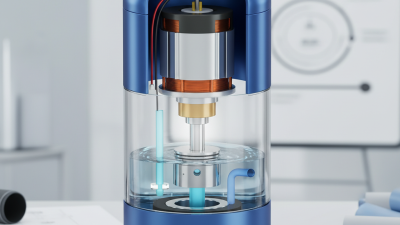
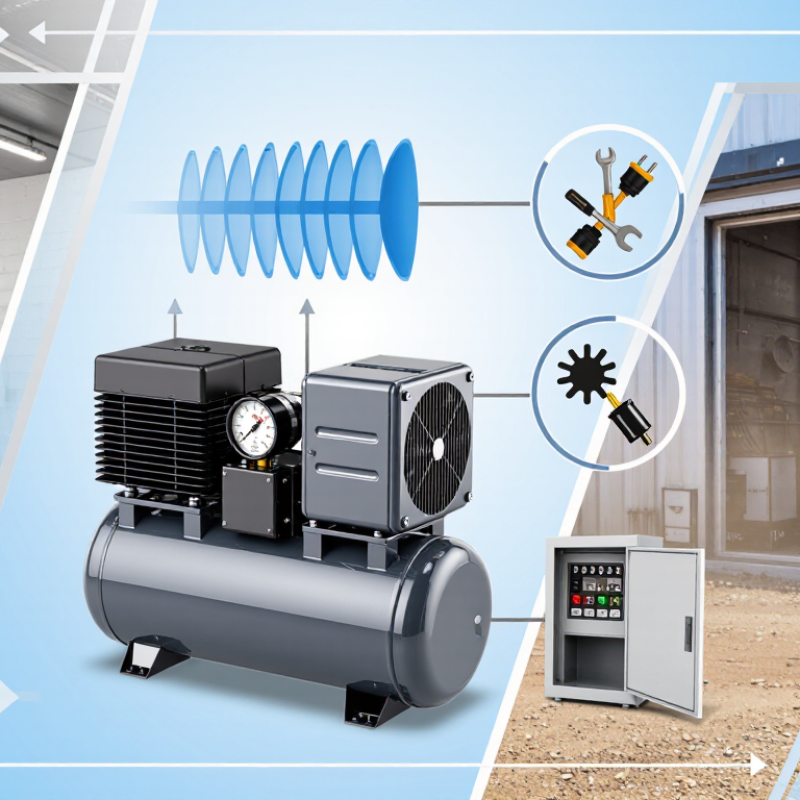
An AC-cooled compressor uses surrounding air to remove heat from compressed refrigerant. The compressor draws in cool, low-pressure vapor and squeezes it into a hot, high-pressure vapor. A fan moves air across the condenser coil, carrying heat away. The refrigerant then becomes a high-pressure liquid, passes through an expansion device, and returns cooler to the evaporator.

Airflow matters greatly. Check the fan size, grille clearance, and expected room temperature. A dusty filter can raise discharge pressure and increase energy use. Listen for rattling, uneven fan noise, or repeated cycling. These details often reveal trouble before a gauge does. Also compare cooling capacity, voltage, duty cycle, and permissible ambient temperature with your actual application.

I have seen compressors selected by capacity alone. That shortcut caused overheating. A model with enough output may still fail in a cramped enclosure. Measure the installation space, service access, and ventilation path. Consider sound levels near offices or bedrooms. Check whether the control system supports smooth starting, overload protection, and automatic shutdown. Ask about replacement parts and maintenance intervals, not only purchase cost. The cheapest choice is sometimes expensive later. Temperature readings should be taken during a realistic workload, because idle testing can look misleadingly safe.

Match Compressor Capacity to Your Air Demand

When choosing an air-cooled compressor, size it from measured demand, not motor horsepower. Record pressure, flow, shift patterns, and simultaneous equipment use. One full production cycle gives better evidence. The U.S. Department of Energy reports that compressed air may consume about 10% of industrial electricity. Oversizing can increase this burden. A large compressor may unload frequently and waste power. Calculate average demand, peak demand, and receiver volume separately. After repairing leaks, allow a modest 10–15% capacity margin. More margin is not always safer. It can conceal weak system planning.

Match the compressor’s delivered flow to your highest realistic demand at working pressure. Check free air delivery, rather than relying on catalog motor ratings. The Compressed Air Challenge reports that leaks can waste 20–30% of compressor output in poorly maintained systems. That wasted flow should not define your compressor size. Measure pressure at the compressor and at the most distant machine. A two-bar drop can change equipment performance noticeably. Also inspect room ventilation and ambient temperature. An air-cooled unit may lose capacity in a hot, dusty enclosure. ISO 11011 recommends evaluating compressed air system efficiency through measurement and analysis. A clean spreadsheet can still be wrong. Real demand often changes by shift, season, and operator habits. Recheck the figures before approving the final capacity.

7 Tips for Choosing an AC Cooled Compressor? - Match Compressor Capacity to Your Air Demand

Tip Selection Dimension Recommended Practice Typical Data or Example Why It Matters
1 Calculate actual air demand Add the consumption of all pneumatic tools, machines, controls, and process equipment that may operate at the same time. Example: 4 devices using 35, 40, 25, and 20 scfm simultaneously require 120 scfm before allowance. A demand estimate based only on the largest tool can leave the system short of air during peak operation.
2 Match compressor capacity to demand Select compressor output using free air delivery (FAD) or actual delivered flow at the required pressure, not motor horsepower alone. For a calculated demand of 120 scfm, a practical planning target is approximately 138–150 scfm, allowing 15–25% capacity reserve. The reserve helps cover leakage, future expansion, filter loading, temperature changes, and short-term demand peaks.
3 Verify required working pressure Identify the minimum pressure required at the most demanding point, then account for pressure loss in pipes, hoses, dryers, filters, and regulators. If equipment needs 7 bar at the point of use and distribution losses are estimated at 0.5 bar, the compressor system should support at least 7.5 bar at the receiver or control point. Operating at unnecessarily high pressure increases energy use; inadequate pressure can reduce tool performance.
4 Check duty cycle and load profile Choose a compressor suited to continuous, intermittent, or variable demand. Review operating hours and peak-use periods. A plant operating 16 hours per day with demand above 70% for most of the shift generally needs a continuous-duty configuration rather than a small intermittent-duty unit. A correct duty match reduces overheating, premature wear, and inefficient cycling.
5 Evaluate AC-cooled operating conditions Confirm ambient temperature, ventilation, clearance, altitude, and room heat removal before installation. Many standard air-cooled systems are rated near 20–25°C ambient; capacity and allowable operating temperature may be reduced at higher ambient conditions. Always verify the manufacturer’s derating data. Insufficient airflow or high room temperature can raise discharge temperature and trigger thermal protection.
6 Allow for air treatment and system losses Include pressure drops from aftercoolers, dryers, filters, separators, piping, and condensate equipment in the design calculation. A clean, correctly sized filter may have a pressure drop of about 0.1–0.3 bar; a loaded filter can create a higher loss and should be replaced or serviced. Ignoring treatment and distribution losses may lead operators to increase compressor pressure unnecessarily.
7 Confirm power, receiver size, and expansion needs Check electrical supply, starting current, receiver volume, installation space, and expected future demand before final selection. A receiver of approximately 250–500 L may help stabilize short-term demand for a medium-duty system, but the correct size depends on compressor control, pressure band, and cycling frequency. Adequate storage reduces rapid cycling and provides a buffer for brief peaks without selecting an excessively large compressor.
Planning note: Flow values should be compared using the same reference conditions and units. Final selection should be verified against the compressor’s certified FAD curve at the required pressure, ambient temperature, altitude, duty cycle, and air-quality class.

Check Cooling Performance and Operating Conditions

Choosing an AC cooled compressor starts with its real operating environment, not its advertised capacity. Check the required air delivery, pressure, duty cycle, and motor load together. A compressor running near its limit produces more heat and may cool poorly during long shifts. Measure the room temperature at peak hours. Do not rely on the average.

Cooling performance depends heavily on airflow. Leave clear space around the intake and exhaust sides, especially inside a workshop enclosure. Dusty filters can raise discharge temperature surprisingly fast. Humid air may also affect corrosion and condensate management. At high altitude, thinner air reduces cooling efficiency and may change compressor output. These details often get missed. I once saw a unit installed beside a warm wall, where the recorded room temperature looked acceptable, but the compressor still overheated.

Ask for tested temperature data under conditions similar to yours. Useful figures include ambient temperature, discharge temperature, cooling-air volume, and maximum continuous runtime. Check whether the protection system stops the compressor before damage occurs. That safeguard is valuable, but frequent shutdowns indicate a poor operating match. Inspect access to filters, belts, fans, and drain points before purchase. Maintenance should be practical, not merely described in a manual. If your workload changes seasonally, allow extra cooling capacity. A small reserve helps. Yet oversized equipment can cycle unnecessarily, wasting energy and complicating control. Measure twice. Then question the assumptions.

Compare Energy Efficiency, Noise, and Installation Requirements

7 Tips for Choosing an AC Cooled Compressor

Start by matching the compressor’s capacity to your real air demand. Oversizing can increase cycling, energy waste, and wear. Ask for rated power input, airflow, and performance at your expected operating temperature. Compare efficiency during both full-load and partial-load conditions. A low purchase price may hide higher electricity costs. Check the estimated yearly consumption against your local energy rate.

Listen to the stated sound level in dB(A), not vague phrases like “quiet operation.” A compressor beside a bedroom needs careful placement. Use vibration pads, flexible connections, and a solid, level base. Walls can reflect sound. I once underestimated this detail, and the machine sounded louder after installation. That shortcut was wrong. Also check the cooling fan’s nighttime behavior, if relevant.

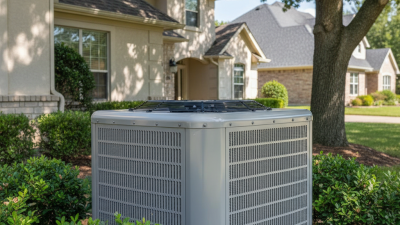
Measure the installation area before ordering. Leave enough clearance for airflow, cleaning, and service access. Confirm the electrical circuit, cable size, breaker requirements, and grounding arrangements with a qualified technician. Outdoor units may need weather protection without blocked ventilation. Check condensate drainage and local noise rules as well. Ask for written installation requirements and warranty conditions. Keep operating records during the first month; they can reveal unusual cycling, rising noise, or unexpected energy use.

Evaluate Maintenance Needs, Safety Features, and Total Cost

Choosing an AC-cooled compressor requires more than comparing purchase prices. Inspect the cooling path, filters, belts, and electrical connections before installation. Dust on the intake can raise discharge temperatures and shorten lubricant life. Check whether technicians can reach service panels safely. A cramped machine is rarely cheap to maintain.

Track operating hours, pressure, temperature, and unusual vibration. The U.S. Department of Energy reports that compressed-air leaks can waste 20–30% of system output. Test pipes and fittings regularly. Review the manual’s service intervals, but adapt them to dust, humidity, and workload. Safety matters too. OSHA’s noise standard sets 90 dBA as the permissible eight-hour exposure limit, with an 85 dBA action level for hearing conservation. Confirm guarding, emergency stops, thermal protection, and ventilation. Do not assume factory settings fit your workshop.

Calculate total cost over the compressor’s working life. Include electricity, filters, oil, downtime, inspections, disposal, and technician time. DOE guidance commonly identifies energy as the largest ownership expense, often near 70% of lifecycle cost. Measure actual load and unload behavior before selecting capacity. Oversizing can increase cycling and waste power. Undersizing creates heat and production delays. A cheaper unit may be the wrong calculation. I have seen maintenance plans fail because nobody assigned ownership. Record every repair, leak test, and safety check. Leave room for doubt. Recheck your assumptions after three months of real operation.

7 Tips for Choosing an AC Cooled Compressor

Evaluate maintenance needs, safety features, and total cost before making a purchase.

How to use this chart: The percentages represent a practical screening-weight model for comparing air-cooled compressors. Total cost, maintenance access, and safety features receive the highest priority because they strongly influence long-term reliability, operating risk, and ownership expenses.

When evaluating a unit, confirm the manufacturer’s service intervals, cooling requirements, pressure protection, emergency shutdown controls, electrical protection, noise level, energy consumption, spare-parts availability, and warranty terms. Actual priorities should be adjusted to match the duty cycle and installation environment.