Top 10 Tips for Choosing the Best Rotary Compressor?
Choosing the right rotary compressor is crucial for your needs. With so many options available, it can feel overwhelming. A rotary compressor is key for applications requiring efficient refrigeration and air conditioning. Every detail matters in this decision-making process.
In selecting a rotary compressor, consider capacity and energy efficiency. You might find some compressors promising high efficiency but failing in real-world conditions. Mechanical reliability is another aspect not to overlook. An expert’s advice can clarify the strengths and weaknesses of various models.
Researching customer experiences offers valuable insights. Sometimes, specifications can be misleading. Reviews often reveal what testing cannot. Pay attention to ease of maintenance as well. A compressor that requires constant repairs can drain resources and time. Ultimately, making an informed choice means reflecting on both professional guidance and user feedback.
Understanding the Basics of Rotary Compressors: Key Features Explained
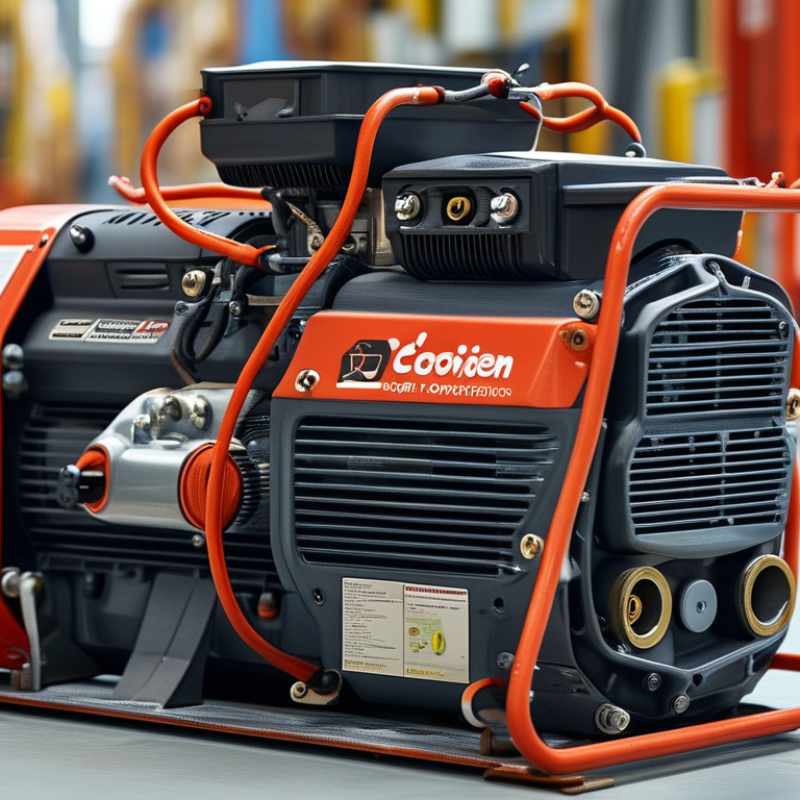
When selecting a rotary compressor, understanding its key features is essential. Rotary compressors function through a series of rotating elements. These elements compress air by reducing its volume. The process is efficient, but several factors affect performance.
Key features include capacity, efficiency, and noise levels. Capacity refers to the amount of air the compressor can deliver. Higher capacity may seem favorable, yet it can lead to energy wastage if not matched to requirements. Efficiency is crucial; a more efficient model saves on energy costs. Noise can be a concern, especially in residential settings. It's vital to consider the decibel rating of any unit.
Another important aspect is maintenance. Rotary compressors require regular upkeep to ensure longevity. Neglecting this can lead to costly repairs. It’s also worth reflecting on the operational environment. Some compressors perform better in specific climates. Understanding these dynamics will help in making an informed decision.
Top 10 Factors to Consider When Choosing a Rotary Compressor
Assessing Your Specific Needs: Identifying Application Requirements
Assessing your specific needs is crucial when selecting a rotary compressor. Start by identifying your application requirements. For instance, the capacity of the compressor should match your system’s needs. A study by the Compressor Technical Association indicated that mismatched capacity can lead to inefficiencies, increasing energy consumption by up to 30%.
Consider the working environment as well. Will the compressor be used in a factory setting or indoors? Sound levels and space constraints are critical factors. According to the International Institute of Refrigeration, excessive noise levels can affect workplace safety and productivity. Choose a model that fits your space and maintains acceptable noise levels.
Evaluate energy efficiency ratings. The energy consumption of rotary compressors has been a focal point of recent studies. Data from the Energy Efficiency Agency suggests that improved designs can lower energy use by approximately 15-25%. This reduction not only benefits the environment but also leads to cost savings over time. Taking these factors into account ensures that you choose a compressor that meets your requirements while fostering long-term reliability.
Evaluating Efficiency Ratings: Importance of Energy Performance
When evaluating rotary compressors, energy efficiency is crucial. Efficiency ratings indicate how well a unit converts electrical energy into mechanical work. A higher rating often translates to lower energy bills. Consumers should look for energy performance certifications. These labels provide a benchmark to compare different models.
Understanding the efficiency of rotary compressors involves knowing their operational costs over time. It's not just about the purchase price; maintenance and energy consumption should factor into the total cost of ownership. A unit might be marketed as energy-efficient, but its running costs could be higher than expected. It's essential to weigh upfront costs against long-term savings.
Many users overlook critical details when considering efficiency. Often, they might focus solely on initial ratings without understanding how these figures matter in real-world usage. A compressor that operates quietly may be appealing but could be less efficient. Evaluating how a compressor performs under various load conditions is essential to ensure it meets your specific needs. Understanding this balance requires careful research and reflection on one’s individual requirements.
Comparing Noise Levels: Choosing a Quiet Rotary Compressor
When selecting a rotary compressor, noise levels are a crucial consideration. Many users prioritize quiet operation, especially in residential or commercial spaces. According to the American Society of Heating, Refrigerating and Air-Conditioning Engineers (ASHRAE), compressors exceeding 70 decibels can cause discomfort and stress. Ideally, opt for models that operate under 60 decibels, as they provide a more pleasant environment.
Sound measurement plays a vital role in choosing a compressor. The decibel scale is logarithmic, meaning every 10-decibel increase represents a tenfold increase in sound intensity. A unit operating at 60 decibels sounds twice as quiet as one at 70 decibels. Additionally, vibration and mounting contribute to noise levels. Proper installation can mitigate unwanted sounds, but it’s essential to choose a compressor known for low vibrations.
Despite advancements, not all manufacturers achieve low noise levels consistently. There are reports indicating that some models, while marketed as "quiet," still produce unexpected sounds due to design flaws. This inconsistency highlights the need for thorough research. User reviews and expert reports can provide insights into real-world performance, revealing whether a compressor meets noise expectations or falls short. Consider comprehensive feedback when making a choice; it can save significant disappointment later.
Budget Considerations: Cost vs. Quality in Compressor Selection
When selecting a rotary compressor, budget considerations are crucial. Cost plays a significant role in the decision-making process. It's common to feel pressure to save money, yet quality should not be compromised. A cheaper compressor might offer initial savings but can lead to higher long-term costs due to frequent repairs or replacements.
Investing in a quality compressor often results in better performance and durability. For example, models with robust components tend to operate more efficiently and reduce energy consumption. This can translate to lower utility bills over time. However, the upfront cost may seem daunting. Some buyers regret their decision when faced with unexpected failures from lower-quality models, causing disruptions in their operations.
Balancing cost and quality is challenging but essential. Consider the total cost of ownership. A slightly more expensive rotary compressor may last longer and require less maintenance. Just remember, a good deal is not only about the price tag. Reflect on your needs and usage scenarios before making a choice. The right decision will serve you well in the long run.