How to Choose the Best Panasonic Rotary Compressor for Your Needs
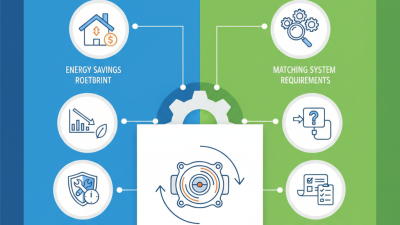
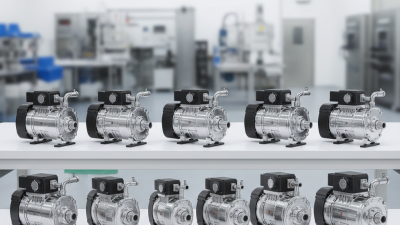
When selecting a Panasonic Rotary Compressor, it is essential to understand your specific requirements. The efficiency and reliability of rotary compressors directly impact energy consumption and overall system performance. According to a recent market research report by TechSci Research, the global HVAC compressor market is expected to grow at a CAGR of 5.2% from 2021 to 2026, underscoring the increasing relevance of high-quality compressors.
“Choosing the right compressor can significantly enhance system efficiency,” says Dr. Kenji Takeda, a leading expert in HVAC technologies. His insight emphasizes the necessity of understanding technical specifications and application scenarios. Panasonic Rotary Compressors are known for their energy-saving capabilities. However, not all models will fit every application. Factors such as capacity, operating environment, and desired efficiency should guide your selection process.
Additionally, an informed choice can lead to long-term operational savings. It’s worth noting that while some models may seem appealing based on initial costs, they may not provide reliable, long-lasting service. Thus, careful evaluation and consideration of brand reputation, warranty, and expert recommendations are indispensable in making the best choice for your needs.
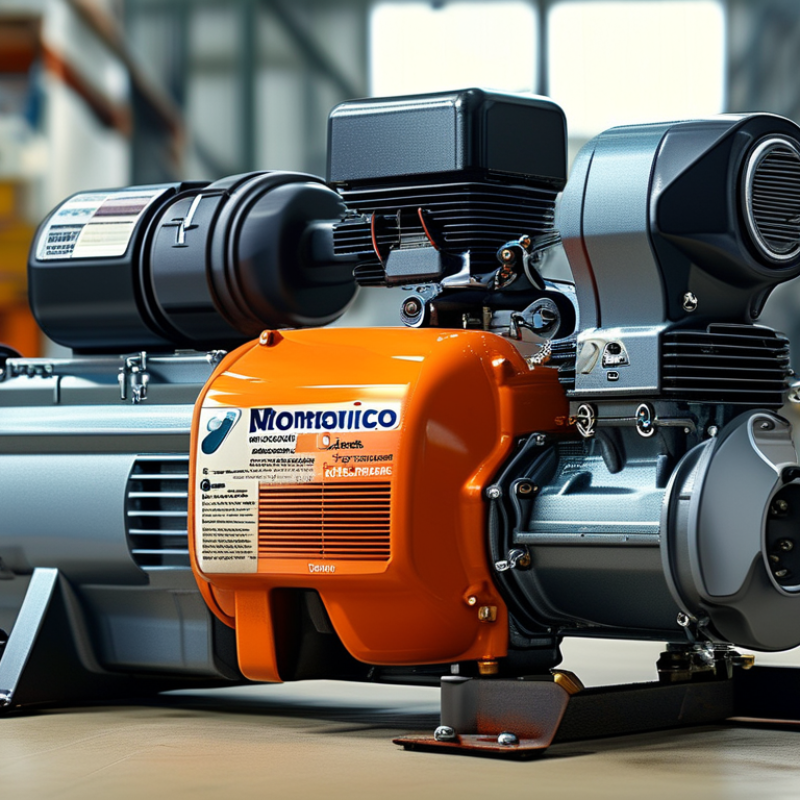
Understanding the Basics of Panasonic Rotary Compressors
When selecting a Panasonic rotary compressor, understanding their basics is crucial. Rotary compressors are popular due to their compact design and energy efficiency. Research indicates that these compressors can achieve a COP (Coefficient of Performance) of about 3.0, meaning they produce three times more cooling energy than the electrical energy consumed. This efficiency is vital in both residential and commercial applications.
Choosing the right model entails considering your cooling needs and the specific environment. Some compressors excel in low-temperature settings, while others perform better in high-heat conditions. If you notice your current system struggling in extreme temperatures, this might indicate that it's time for a better-suited compressor. Consider factors like the power consumption and noise level as well. Data from industry reports show that noise levels can vary significantly, with some models emitting as low as 45 dB, offering quieter operation.
Tips: Always check the compressor's specifications. Compare the energy ratings to ensure you're optimizing efficiency. Consult with professionals to determine the ideal model for your specific requirements. It’s also beneficial to read user reviews and expert analyses to gain insights into performance and reliability. This research can prevent potential missteps in your purchasing decision.
Identifying Your Specific Cooling or Heating Needs
When choosing a rotary compressor, understanding your specific heating or cooling needs is essential. Consider the size of your space. A small room requires less power than a large area. Measure the dimensions of your rooms. This guide assists in determining the right compressor capacity.
Evaluate your climate. Hotter climates may demand more cooling capacity. Cold environments require efficient heating features. Assess how often you use your system. Frequent use means investing in a durable unit. Look for energy efficiency ratings. High ratings often mean lower electricity costs.
Sometimes, your needs may seem contradictory. You might need efficient cooling during blistering summers and reliable heating in winters. If unsure, consulting a professional can provide clarity. They can assess your environment and suggest suitable options. Reflect on your lifestyle. Your goals will significantly influence your decision in the long run.
Evaluating Technical Specifications and Features
When selecting a rotary compressor, evaluating technical specifications is crucial. Focus on efficiency ratings. Look for models with higher SEER ratings for optimal performance. A good compressor should also feature reliable start and run capabilities. This ensures your system runs smoothly under different conditions.
Tips: Consider the noise level. A silent compressor can significantly impact your comfort. Check if the unit meets local noise regulations. Power consumption is another factor. Energy-efficient models might cost more upfront but save money over time.
Assess the cooling capacity, measured in BTUs. Ensure it matches your space requirements. An undersized compressor may struggle, while an oversized unit can cycle too often. This leads to wear and energy waste. Remember, not all specifications are equally important for every situation. Reflect on your specific needs to avoid confusion.
Comparing Energy Efficiency Ratings and Performance
When evaluating rotary compressors, energy efficiency ratings play a crucial role. Understanding these ratings helps you make informed choices. High efficiency can lower operational costs significantly. You should compare the Energy Efficiency Ratio (EER) and Seasonal Energy Efficiency Ratio (SEER) among different models. These figures indicate how effectively the compressor uses energy for cooling output.
Performance is another vital factor. Look into the compressor's power consumption and cooling capacity. A good compressor should balance adequate cooling with minimal energy use. Not all compressors perform equally under varying conditions. Heat load impacts can lead to inefficiencies that compromise performance.
Pay attention to system noise levels as well. A quieter operation often means better technology at work. However, a very low noise level can sometimes indicate less efficient cooling performance. Gauge how noise levels align with your needs, especially in residential areas. This aspect is essential but often overlooked when making a purchase decision.
Assessing Budget Considerations and Warranty Options
When selecting a rotary compressor, budget is a key factor. Begin by determining the total cost you can allocate. Consider not just the purchase price, but also installation and maintenance. High-quality compressors may be pricier, but they tend to save you money in the long run. Regular maintenance costs can add up, so factor those in.
Warranty options also play an essential role in your decision-making process. A robust warranty can safeguard your investment. Look for models that offer extended warranty coverage. This can provide peace of mind and save you on repair costs down the line.
Tip: Always read the fine print on warranties. Some may not cover specific damages or require certain maintenance for validation. It's worth digging deeper into what’s included. Regular check-ups might also be necessary to keep your warranty active, so plan accordingly. Remember, saving on the initial purchase may cost more in repairs later. Be cautious, and weigh your options carefully before committing.