10 Essential Tips for Choosing the Right Carrier Compressor for Your Needs?
Selecting the right Carrier Compressor can significantly impact the efficiency of your HVAC system. John Smith, a leading expert in HVAC technology, emphasizes, "Choosing a Carrier Compressor is crucial for optimal performance." His insight reflects the complexity and importance of making an informed choice.
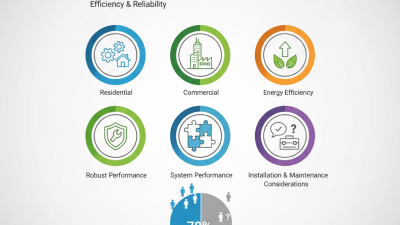
In this ever-evolving industry, understanding your specific needs is key. Different applications require different capacities and technologies. For example, a residential system won't need the same compressor power as a commercial unit. Misjudging these factors could lead to inefficiency and high energy costs.
Additionally, consider the compressor's longevity and reliability. An ideal Carrier Compressor should not only meet performance standards but also operate smoothly over time. Choosing a less reliable model might save money upfront, but can lead to costly repairs or replacements later. Reflect on the long-term consequences of your choices. Ensure you choose wisely to benefit your system and your budget.
Understanding Your Cooling Requirements for Carrier Compressors
When selecting a carrier compressor, understanding your cooling requirements is crucial. The cooling load of your space directly influences your choice. According to the U.S. Department of Energy, residential cooling systems typically require about 20 BTUs per square foot. For example, a 1,500 square foot home would need approximately 30,000 BTUs. This figure helps in determining the capacity you need.
Pay attention to the specific cooling profiles of your environment. Factors such as local climate, insulation quality, and the number of occupants matter. For instance, hotter regions may require larger compressors. Also, homes with more windows may absorb heat, escalating needs. The Air Conditioning Contractors of America (ACCA) recommends performing a Manual J load calculation for more precise measurements.
Efficiency ratings are vital, too. Look for SEER (Seasonal Energy Efficiency Ratio) ratings; higher numbers indicate better efficiency. A well-chosen compressor can reduce operational costs significantly. However, installation quality often influences overall performance. Poor installation leads to inefficiencies, regardless of the compressor's capabilities. It's essential to reflect on the installation process as much as the choice of compressor itself.
Evaluating the Different Types of Carrier Compressors Available
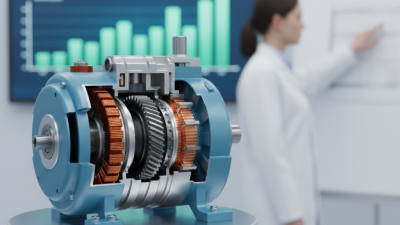
When selecting a carrier compressor, understanding the various types available is crucial. There are scroll, reciprocating, and rotary screw compressors. Each type has unique characteristics that cater to different applications. Scroll compressors are often quieter and more efficient. They are ideal for residential use or small commercial systems. In contrast, reciprocating compressors are versatile and widely used in many commercial settings.
Consider the maintenance requirements of each type. Scroll compressors may need less upkeep, while reciprocating models might require more attention. It’s vital to understand your specific needs and the environment where the compressor will operate. This can influence the type you choose.
Energy efficiency is another critical factor. Some compressors offer higher efficiency ratings than others. Investing in an efficient model can lead to long-term savings. Review the energy consumption of potential options. Check how each compressor's capabilities align with your requirements. Making an informed choice will support better performance and sustainability in the long run.
Key Features to Look for in a Carrier Compressor
When selecting a carrier compressor, focus on key features that ensure efficiency and reliability. Look for energy efficiency ratings. High ratings can lead to significant savings in operational costs over time. Consider the cooling capacity based on your space. Ensure it matches your requirements well, preventing underperformance or excessive energy consumption.
Another critical aspect is the sound level. Compressors can vary widely in noise output. A quieter model could enhance your comfort, especially in residential areas. Pay attention to maintenance requirements as well. Some models may need frequent check-ups, while others are designed for less upkeep. It’s wise to choose one that fits your lifestyle.
Don’t overlook the model's warranty and support. Reliable brands often provide extensive warranties. This demonstrates their confidence in the product's durability. You might want to compare user reviews as well. Real-world experiences can uncover potential drawbacks. This can help you make an informed decision about your final choice.
Assessing Energy Efficiency Ratings and Performance Metrics
When selecting a carrier compressor, energy efficiency ratings play a vital role. The
U.S. Department of Energy reports that inefficient compressors can lead to energy costs that exceed
30% of operational expenses. Understanding the Energy Efficiency Ratio (EER) and
Seasonal Energy Efficiency Ratio (SEER) can help you make informed choices. Look for compressors with
higher ratings, as they indicate better performance, translating to savings over time.
Tip: Evaluate the EER to determine the compressor’s efficiency. A lower EER means higher energy
consumption. For instance, a compressor with an EER of 10 will be much more cost-effective than one
rated at 8, especially in high-demand scenarios.
Performance metrics also matter. Factors like cooling capacity and sound level
should not be overlooked. Data from industry studies reveal that compressors with lower decibel levels enhance comfort in residential settings.
Furthermore, ensure that the unit is appropriately sized for your space. An oversized compressor can lead to short cycling, reducing efficiency
and lifespan.
Tip: Always review manufacturers' data sheets. This helps in assessing both energy efficiency and
performance metrics. Make choices that are not just cost-effective but also sustainable over the long haul.
Considering Maintenance and Support Options for Your Carrier Compressor
When selecting a carrier compressor, it's crucial to consider
maintenance and support options. A reliable compressor requires
regular upkeep to ensure efficiency and longevity. Regular inspections can identify minor issues before they escalate.
A proactive maintenance plan may save money in the long run.
Support options are equally important in your decision-making process.
Research available technical support channels. Some manufacturers offer extensive resources,
like user manuals and troubleshooting guides. Others may lack sufficient support, leaving users stranded
with issues. Look for comprehensive warranties, as these can reflect
a manufacturer's confidence in their product.
Evaluate your ability to access spare parts. A compressor may need component
replacements during its lifespan. Local availability of parts can ease the repair process. Additionally,
consider whether the manufacturer partners with qualified technicians nearby. Easy access to experts can
significantly reduce downtime if a problem arises. It's essential to think ahead about these factors to
ensure the compressor meets your long-term needs.